by James | Feb 2, 2018 | Remembrance
Today we remember the centenary of the sad death of William Stanley Lynn of Edenham, who died on the 2nd February 1918, after serving with the 8th Battalion Lincolnshire Regiment.
William was born in the spring of 1896 in Edenham to Thomas Lynn, a blacksmith, originally from Newton on Trent and his wife Mary Bates of Aslackby.
Thomas and Mary were married in 1894. Mary already had a son, Ernest Tom Bates, who was born in 1885.
Thomas and Mary probably started their married life in Aslackby where their first Daughter Kate was born in 1892. Their second child, a son named Joe Gibson Lynn, was born in Sibsey in 1895. the family eventually settled in Edenham and their final three sons were all born here.
William Stanley Lynn, 1896, Edwin Harry Lynn, 1897 and Thomas Walter Lynn, 1899.
In 1901 the family were living on back Lane in Edenham, Thomas having his own blacksmith’s business. By 1911 William has found employment as a farm labourer, the family still living in Edenham.
On the 2nd September 1914 William enlisted into the Army in Bourne and joined the 8th Battalion Lincolnshire regiment. After his initial training he was posted to France on the 10th September 1915 as the first posting for the 8th Battalion. The Battalion first saw action in the battle of Arras being stationed in Bois Hugo at the start of the attack.
The battalion also saw action in the Battle of the Somme and were present at the battles of Albert, Bazentin Ridge, Flers-Courcelette, Morval, The Capture of Gueudecourt, Transloy Ridge, and then onto the Battle of the Ancre.
1917 saw the Battalion in action in the German retreat to the Hindenburg Line and were fighting in the battles around Arras before in July being moved to Ypres in preparation for the Battle of Passchendaele.
On the 13th July 1917, William Lynn reported to the medical officer with a complaining of shortwindedness, sharp pain over the left chest and a cough. He was sent to the 50th Field Ambulance and then on to the 55th Casualty Clearing Station. Thence the 55th General Hospital in Boulogne. After being shipped home he was admitted to Springburn Woodside General Hospital in Glasgow on the 27th July 1917. He was diagnosed has having contracted Tuberculosis of the Lungs and was eventually discharged from hospital on the 6th August.
William was subsequently confirmed for discharge from the army on 29th August 1917 as being medically unfit.
William eventually succumbed to the aftereffects of T.B on the 2nd February 1918 aged 21.
- Commonwealth War Graves Commission:
- In memory of Private William Stanley Lynn, 11891, 8th Battalion, Lincolnshire Regiment who died on 2 February 1918 Age 21
Son of Thomas Lynn of Edenham, Lincolnshire
Remembered with honour, Edenham (St. Michael and All Saints) Churchyard
by James | Jan 3, 2018 | Remembrance
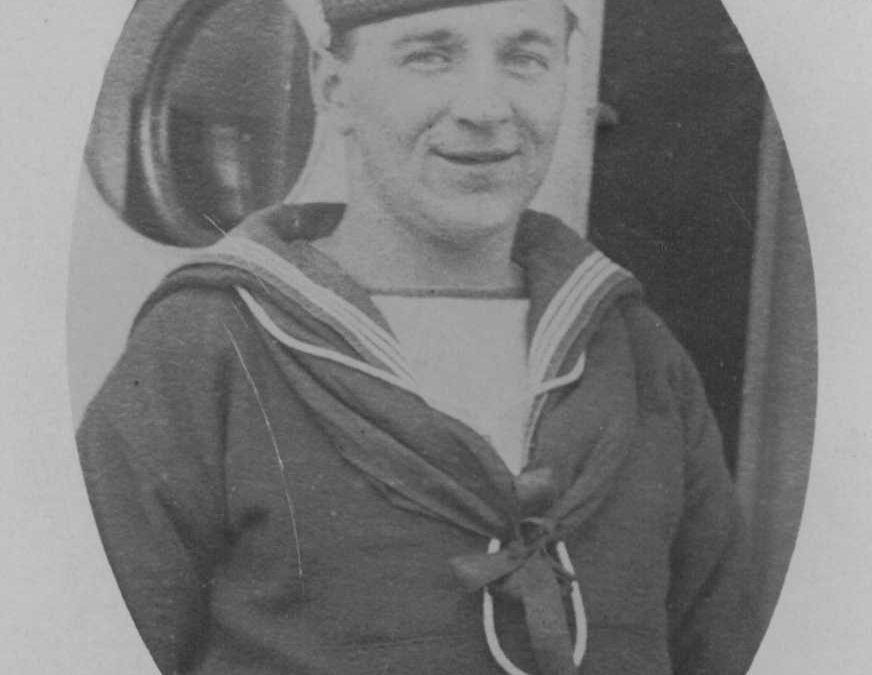
Today we commemorate the 100th Anniversary of the death of Stoker, 1st Class, Joseph Henry Stennett of Bilingborough, who was lost at sea on the 3rd January 1918, when the H.M. Submarine G8 went missing.
Joseph was born on the 12th August 1895 to William Stennett, a journeyman butcher, from Billingborough and his wife Alice Doughty from Kirton, Lincolnshire.
The couple were married in 1888 and made their home in Billingborough where in 1890 their first child, Alice Maud was born. They later moved to Horbling where Joseph was born in 1895 and then Urania Fanny was born in 1905. The young family also sadly lost two other children before 1911.
By 1911 Joseph was working as a baker’s assistant in Donnington and living with the Pattern family.
Joseph joined the Navy in July 1914 and signed up for a period of 12 years, this was one month before the war was declared. On the 21st July Joseph was posted to HMS Victory II, a shore station based at Crystal Palace and Sydenham, for initial training and remained here until the 27th December 1914 listed as a stoker. Following this initial training period he was posted to HMS Inconstant, as stoker 2nd class. HMS Inconstant was an Arethusa-class cruiser and was designed to lead destroyers into battle, launched on the 6th July 1914. HMS Inconstant joined the 1st Light Cruiser Squadron at Rosyth in February 1915. Joseph was promoted to stoker 1st class on the 2nd August 1915, staying with the ship until 7th December 1916. H.M.S. Inconstant and Joseph saw action during the Battle of Jutland.
On the 8th December 1916 Joseph was posted to HMS Dolphin a shore station near Gosport that was a submarine base and used as a training facility, he remained here only for a short period and on the 3rd January 1917 was posted to HMS Lucia.
H.M.S. Lucia was a german ship captured in September 1914 and then refitted as a submarine supply ship on the Clyde in 1916. During his period with the Lucia she was stationed on the Tees, at the South Bank, Middlesborough and the Lucia was working as a supply vessel for the 10th Submarine Flotilla. Joseph was posted onto H.M. Submarine G8, a G class submarine launched in 1917 for long range work with a crew of 31, she was attached to the 10th (Tees) Flotilla as a submarine hunter in the North Sea but Jospeh, for Naval accounting purposes was still attached to HMS Lucia.
Although working as part of the 10th Flotilla, G8 spent most of 1917 working out of Scapa Flow, her patrols were North of Shetland to Norway, Skagerrak, Kattegat and Horns Reef.
Jospeh Stennett left the Tees on G8, from the Lucia, on 27 December 1917, leaving with the submarine G12 and the destroyer HMS Medea, bound for Kattegat and then ordered to start her return to base on the 3rd of January, their mission was to hunt for two armed German steamboats.
G8 never returned from her patrol and was officially declared missing on the 14th January 1918. The cause of her demise remains unknown officially but it is believed she hit a mine, going down with all hands just off the coast of Denmark near Jutland.
The position of a wreck that was found in 2011 was on part of Route Blue, a narrow gap in the German defensive minefield that guard the entrance to the Baltic. This is believed to be the G8 and the dive team confirmed that the diesel engines were not running and the electric engine was on slow with the periscope raised indicating that she was hunting for her pray, below the surface when she hit a mine. Although the conning tower was raised the rest of the wreck has been untouched and left as a war grave.
Commonwealth War Graves Commission:
In memory of Stoker 1st Class Joseph Henry Stennett K/22930, H.M. S/M. “G8.”, Royal Navy who died on 3rd January 1918 Age 22.
Son of William and Alice Stennett, of Horbling, Billingborough, Lincs.
Remembered with honour, Portsmouth Naval Memorial
Joseph Stennett is also remembered on the War memorial in the Church in his native village of Horbling, Lincolnshire.
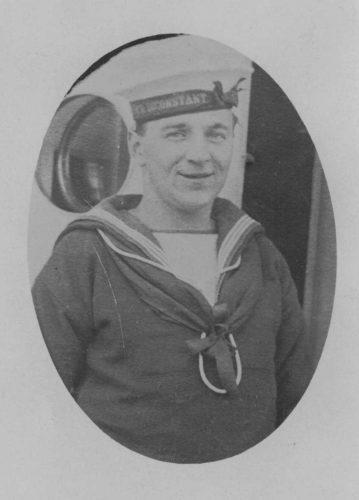
Photo courtesy Eric Gray
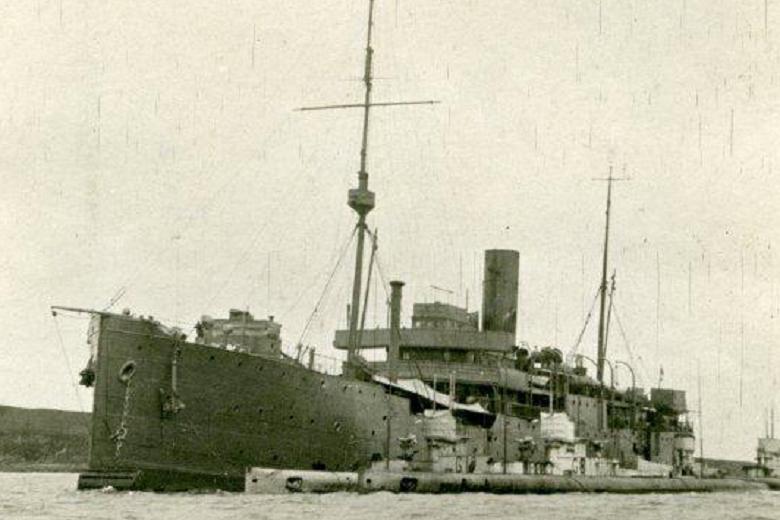
H.M.S. Lucia and H.M. Submarine G8 in the Tees.
by James | Dec 22, 2017 | Remembrance
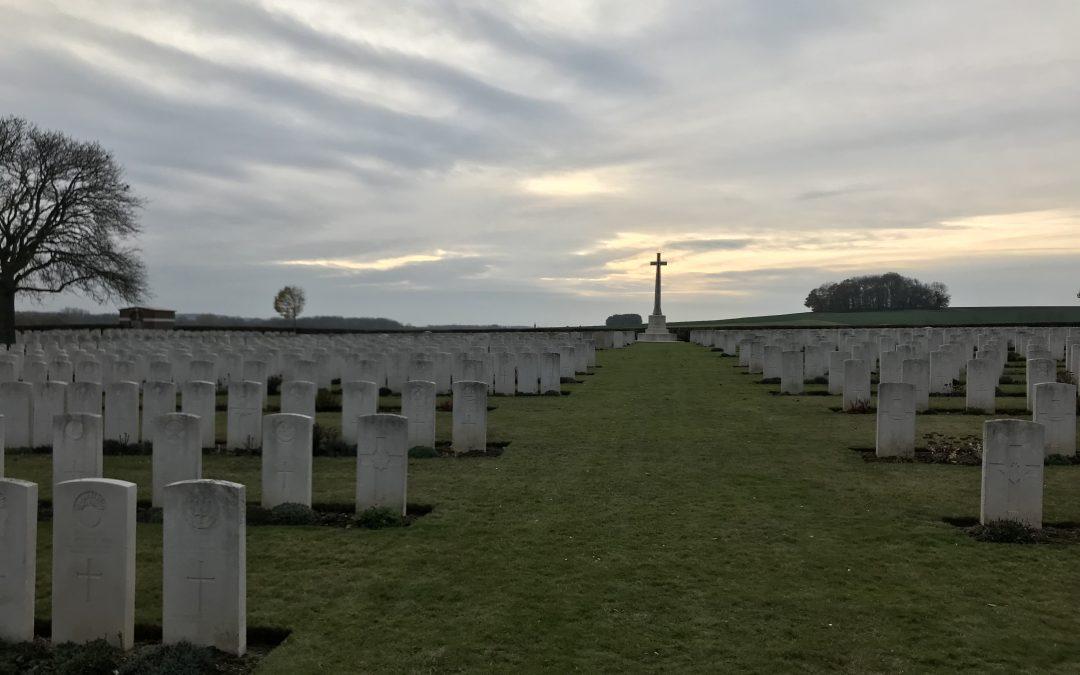
Today we remember Joseph Arthur Carter of Bourne, who made the ultimate sacrifice for his country this day, 22nd December, 100 years ago.
Joseph (normally known as Arthur) was born in the spring of 1888 in Castle Bytham to John Carter, a brewery labourer and his wife Mary Wallhead.
By 1911 the family were living at 27 Hereward Street, Bourne and Arthur was working as a compositor for a printers.
Arthur enlisted to the army in Stamford on the 22nd February 1916 and was eventually mobilised on the 11th April 1916 and subsequently posted to the 9th Battalion for training. After 3 months Arthur was posted to the 1st Battalion on the 27th August 1916 and sent to France.
In May 1917 Arthur was admitted to hospital with an injury to the knee joint which was deemed not be be due to active service. He was posted a s fit one month later and rejoined his Battalion. He was granted leave between the 18th and the 30th November 1917 and then once again joined his Battalion in time to entrain at Maroeiul at 11pm for Peronne and then they marched to Cartigny arriving there at 11am on the 1st December. The battalion were held in readiness until the 6th December when they were moved to Heudecourt. On the 9th they went into the line around the railway embankment west of Villers Guisain, a village that was in enemy hands, to relieve the 15th battalion Durham Light Infantry. At this time there were not connected lines here just a series of posts. Over the next few days they formed working parties at night to attempt to link up the posts.
On the 12th after a couple of quiet days, the enemy shelled the advanced posts, killing one man and wounding 5 others. These were the first casualties of this tour.
On December 15th the battalion diary reported that the day was quiet until about 5.30pm when the battalions position was shelled heavily, without causing any casualties. Two hours later a barrage was put up by our machine guns and artillery.
Artillery activity was marked throughout the night, the enemy shelling the Battalion front and the railway embankment intermittently, our artillery retaliating spasmodically.
December 16th only had one entry in the Battalion Diary, A quiet day, nothing noteworthy taking place.
On the 17th things changed around 4am, the enemy raided the left front of the Battalion with a party of about 20 men. This post was held by a party of about 20 men of A company. The enemy made his way through a gap in our wire to the left of the post. The approach was made under cover of the extreme darkness and a snowstorm, and attacked the post from the flanks and the rear, throwing a number of hand grenades when close in. One of the grenades dropped in the post and wounded 6 men. A few of the enemy succeeded in forcing their way into the trench but were thrown out again immediately not however before they had captured two of our men whom they took back with them.
In the evening the Battalion was relieved by the 1st East Yorks Regiment, relief being completed by 6pm. Shortly after D Company had left battalion HQ a number of shells burst in their vicinity causing 6 casualties, otherwise the relief was carried out undisturbed. On relief the battalion marched to Longavesnes.
During this tour in the line the Battalion accomplished much good work. Existing posts and trenches were improved by being widened and deepened and making of firesteps, laying of trench boards and erection of shelters. New trenches were dug and the existing were strengthened and a number of dug outs were constructed behind the railway embankment. Severe weather prevailed throughout.
The casualties sustained by the battalions during this spell in the line were 4 killed, 3 missing, 27 wounded, a total of 34.
Arthur carter received a gun shot wound to the back, suposedly on the 16th December 1917, although certainly during this tour and later died of wounds on the 22nd December 1917 at a casualty clearing station around Tincourt.
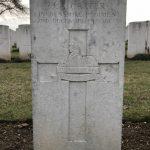
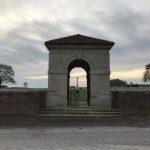
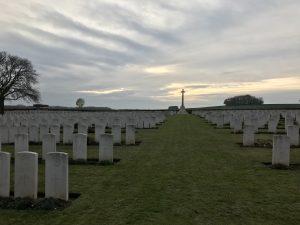
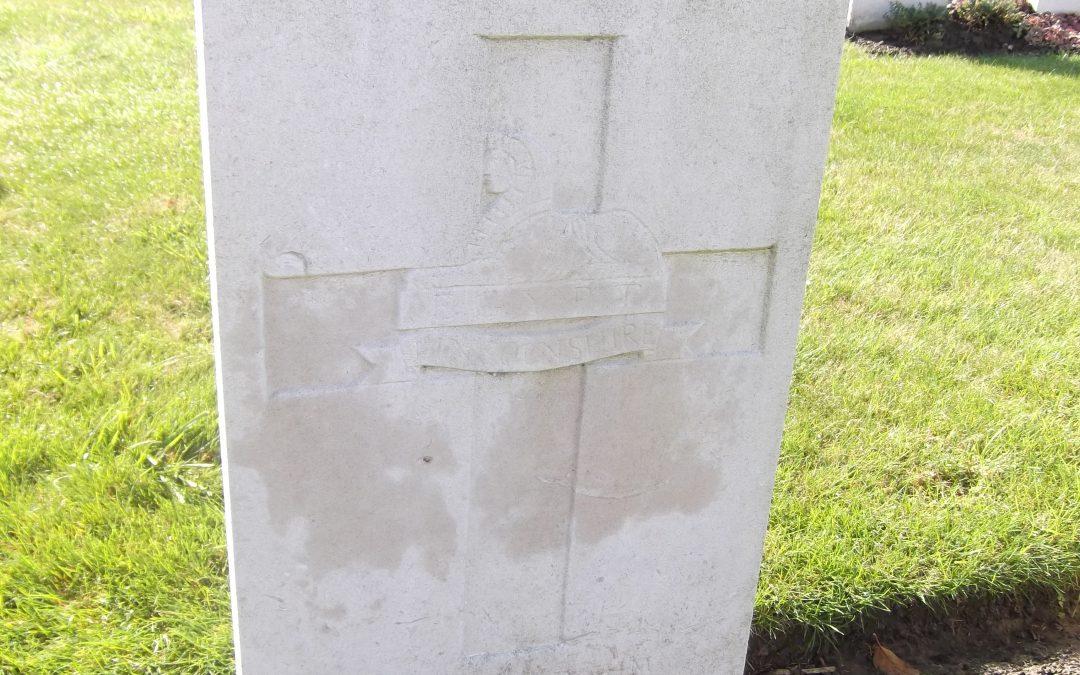
Private Joseph Arthur Carter 22883, 1st Bn., Lincolnshire Regiment who died on 22 December 1917 Age 30. Son of John and Mary Carter, of 27, Hereward St., Bourne, Lincs. Remembered with honour Tincourt New British Cemetery.
by James | Dec 15, 2017 | Remembrance
Today we remember the 100th anniversary of the death of James Wright of Morton, killed whilst serving with the 1/4th Battalion Lincolnshire Regiment on the 15th December 1917.
James was born in Bulby, Lincolnshire, in the summer of 1897 to Soloman Wright, a Groom and his wife Louisa Wells.
Soloman Wright was born around 1846 in Leverington, Cambridgeshire, and married Louisa Wells, from Peterborough, Cambridgeshire in 1876 in the Bourne area. They originally lived in Haconby before moving to Bulby.
They had nine children in all;
William David (b 1876)
George Ernest (b 1880)
Arthur Frederick (b 1882)
Albert Eddward (b 1886)
Walter Harold (b 1888)
Alfred Gordon (b 1891)
Henry Vernon (b 1895)
James (b 1897)
Emma Caroline (b 1901).
In 1911 James Wright can be found on the census (April 2nd) living with his parents in Bulby near Bourne. Soloman was listed as a Groom and Yardman and James was listed as a scholar. Later Soloman and Louisa moved to Hanthorpe and were living there in 1917 when they received the sad news about James.
James joined the Lincolnshire Regiment, although due to the destruction of records we are not sure exactly when. Records would show that originally he served with the 1/4th Lincolnshire regiment, afterwards was posted to the 1/5th Battalion and eventually ended up back in the 1/4th Battalion. These changes normally happened after training was finished or, as we believe in the case of James, after being considered fit to serve again after being wounded.
In March 1917 the Grantham Journal carried the following report;
Gassed – The many friends of Mr and Mrs Wright of Hnathorpe, will regret to hear that their youngest son, Lance-Corporal james Wright, has been gassed. A letter from the chaplin states he is in hospital, sick, having a small dose of German gas, and that every care is being taken of him.
James later recovered and rejoined his battalion and is next mentioned in a newspaper article, again in the Grantham Journal on the 24th November 1917;
Patriotic Family – Mr and Mrs Soloman Wright, of Hanthorpe, have five sons on active service. Driver Albert Edward is now in training, Private Walter Harold, Royal Warwicks, is severely wounded and in a base hospital, Private Alfred Gordon, Royal West Kents, Driver harry Vernon, Transport Section, and Lance-Corporal James Wright, Lincolnshire Regiment, who was gassed in February. The eldest son, William David wright, drills with the V.T.C., and the only daughter Emma is engaged in munitions. We congratulate Mr and Mrs Wright on such a family record.
In the autumn of 1917 the 1/4th and 1/5th Battalions relieved each other in succession and after spending time in the St. Elie ’ sector moved to Hill 70, north of Lens, about the middle of November, and in December, Cambrin, south of the La Bassee Canal, near Guinchy.
It is during this time defending the Bassee Canal that James Wright was killed in action.
Commonwealth War Graves Commission:
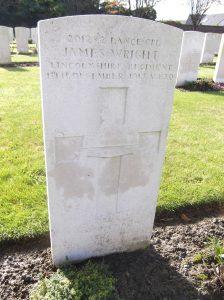
In Memory of Lance Corporal James Wright 201282, 1st/4th Bn., Lincolnshire Regiment who died on 15 December 1917 Age 20. Son of S. and Louisa Wright, of Hanthorpe, Bourne, Lincs.
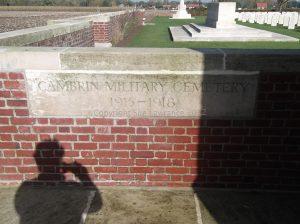
Remembered with Honour, Cambrin Military Cemetery.
by James | Dec 11, 2017 | Remembrance
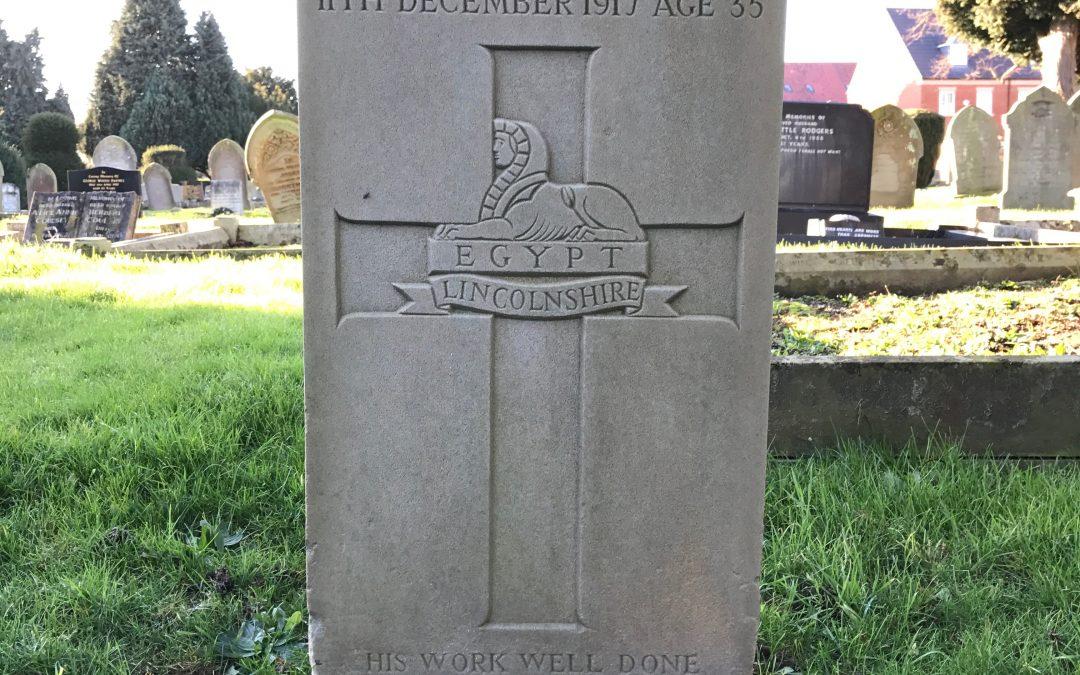
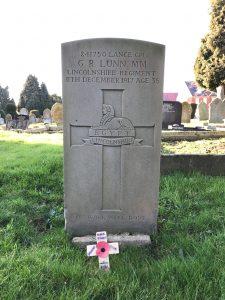
Today we pay our respects to Lance Corporal George Lunn who died 100 years ago today, 11th December 1917 and served with the Lincolnshire Regiment.
George was born in Dyke in 1882, the son of John Lunn and his wife Elizabeth Allen. John Lunn was working as a traction engine driver in Dyke in 1911 and at this time George was working as a mineral water packer at Mills and Co Mineral Water Works (Mills and Baxter) in Bourne.
George enlisted into the Lincolnshire Regiment in Bourne around the spring of 1915 and after training was posted to the 1/5th Battalion Lincolnshire Regiment.
In April 1917 George was invalided home with septic poisoning and he then spent 5 months in hospital in Manchester.
Whilst still in hospital the London Gazette of the 14th September 1917 carried the following report:-
His Majesty the KING- has been graciously pleased to award the Military Medal for bravery in the Field to the undermentioned Ladies, Non-Commissioned Officers and Men :-
241750 L./C. G. R. Lunn, Linc. R. (Callick).
After being released from hospital George visited Bourne briefly before being called to Lincoln and then posted to the 4th battalion Lincolnshire Regiment at their East Coast Camp as a musketry instructor. He arrived at the camp and later that night was involved in an accidental shooting, being shot in the chest and later died en route to hospital.
George was buried with a military funeral at Bourne Cemetery and is also commemorated on the Bourne Memorial
Lincolnshire Echo 14th December 1917
Fatal Rifle Accident – Lance Corporal George Robert Lunn of the Lincolnshire whose home is at 108 Birkin Avenue, Hyson Green, Nottingham has been fatally shot at a camp on the Lincolnshire Coast. Whilst Lunn was standing in the hut talking with the another soldier, Private Bartram Sissons picked up a rifle from the rack and was examining it, when the weapon went off. The bullet struck Lunn who died on the way to hospital. Lunn and Sissons have served together for more than a year in France, and were on good terms.
Grantham Journal 15th December 1917
BOURNE
Memorial Service – On Sunday evening, the Reverend J. Carvath conducted a memorial service for the late Lance Corporal George Lunn at Bourne Congregational Church at which the deceased was a regular worshiper before he left Bourne to join the army. The Rev. Gentleman took for his text of words “I am the resurrection and the light” and pointed out that when Christ spoke these words. He did so to comfort Martha and Mary and they had been a comfort to the bereaved ever since, as he trusted they would be to those who mourned for their departed friend that night.
Military Funeral – On Saturday afternoon a military funeral at Bourne Cemetery attracted a large assembly. The burial was that of Lance Corporal George Lunn, who met his death under sudden circumstances on the previous Tuesday. Deceased had only just returned to camp, after having spent 5 months in hospital in Manchester. Corporal Lunn was with a number of others of the Regiment in the Non Comm hut when a discussion arose on musketry. A rifle was used to demonstrate an argument and on the trigger being pulled, to the dismay of all present, the rifle was found to have contained a live cartridge. Deceased was shot and succumbed to his injuries before arriving at hospital. At the inquest a verdict of accidental death was returned. The funeral was attended by Lieut C. F. E. Dean (representing the T.F. Reserve Battalion Lincolnshire Regiment). Sergeant-Major Garfoot, Sergeant Dolman (who had the funeral arrangements in hand, including the firing party), and Sergeant Drummer Leaning, conducting the bugle band. The cortege was met at Bourne station by the members of the family, including Mr John Lunn (Father), Miss Sergeant (Fiancee), Mr Tom Lunn (Brother), Miss Maude Lunn, Miss Hilda Lunn, Miss Muriel Lunn (Sisters), Mr and Mrs D. Drakard (Uncle and Aunt), Miss Allen (Aunt), Mrs T. Lunn (Sister in Law), Mrs J. Lunn (Step Mother). The service was conducted by the Rev J. Comyn Jones and the Rev J. Carvath. The firing party fired the three volleys. The bearers were six Lance-Corporals, five of whom were personal friends of the deceased. The last post was sounded by the bugle band. There were a number of floral tributes including those from his father; His Sister’s, Maud, Hilda and Muriel; Tom and Gertie; Mrs S. Pick; Mr and Mrs Fell and family; The officers of the Reserve Battalion Lincolnshire Regiment; The Warrant Officers and Sergeants Mess of the Lincolns. Deceased was well known at Bourne, having lived for many years in the town and was employed up to the time of his enlistment in Messrs R. N. Mills and Co’s Mineral water factory and was a packer, the employees of whom were represented at the funeral by Messrs H. Robinson, T. Teat, H. and A. Gilbert. Amongst others present were Messrs George Brown and W. H. Carter (Representing the Bourne Brotherhood) of which body deceased was a member and regular attendant). The Liberal Club (of which deceased was a member since its inception) was represented by Messrs W. Kelby, T. Mee and W. Nichols.
by James | Dec 6, 2017 | Remembrance
Today we commemorate the 100th anniversary of the death of Thomas Wand of Dunsby and the 2nd/5th Battalion Lincolnshire Regiment.
Thomas was born in Dunsby in the summer of 1894 to John Joseph Wand, born in Morton, a farm labourer and his wife Mary Ann Grange Vickers born in Bourne. They were married in 1891 and lived in Bulby before settling in Dunsby. They had 13 children although sadly they lost 3 of them before 1911.
- George William Wand, 1891, Bulby
Beatrice Wand, 1892, Bulby
Thomas Wand, 1894, Dunsby
Gertrude Wand, 1896, Dunsby
Eliza Wand 1897, Dunsby
Lily Wand, 1900, Dunsby
Harry Wand, 1902, Dunsby
Charles Robert Wand, 1904, Dunsby
Annie May Wand, 1907, Dunsby
Emily Wand, 1908, Dunsby
Thomas had moved away from his parents before 1911 and was living with the Haresign family in Pinchbeck working as a horseman on the farm.
Thomas enlisted into the army and was posted into the 7th Battalion Lincolnshire Regiment but at some point was posted to the 2nd Battalion Lincolnshire regiment. As the dates are not known then it is difficult to say exactly which actions Thomas was involved in other than the final action that cost him his life.
In early December 1917 the 2nd Battalion was in the line at Bourlon Wood and an extract from the Battalion Diaries describes Thomas’ last days.
3rd December 1917 – Bourlon Wood
Enemy Machine Gun fired at intervals throughout the night. We suffered 2 casualties
4th December 1917 – Bourlon Wood
Enemy activity again confined to artillery fire. In order to reduce the salient of which our line forms part, a withdrawal was carried out to the Flesquires Line. Pack ponies and limbers were brought up and ammunition and stores were removed before the withdrawal commenced. The withdrawal was made from the left by platoon. One platoon remained behind in the centre company’s frontage to cover the withdrawal. The first company commenced the withdrawal about 9:45pm and it continued in good order platoons moved independently across country to Flesquieres and took up their allotted position in the Flesquieres line. The enemy seemed totally unaware of the withdrawal. There was no fire from the artillery beyond the ordinary routine firing on the right. The withdrawal was concluded in good order, without casualties and dispositions taken up at Flesquieres as follows.
The existing trenches N and NW of Flesquieres between the limits K.18b.2.2 and K.17 d.8.6 were held by A and B companies with C and D companies in support in the support line about K.24 Battalion HQ in dugout K.24.a.1.b.
No signs of the enemy following up were observed until about 3.0pm when motor lorries were seen in Fontaine-Notre-Dame and small bodies of enemy were seen in neighbourhood of Bourlon Wood. Our front was with two Companies of the 2/4th Lincolns. At night we commenced digging.
5th December 1917 – Flesquieres
A new front line trench running from K.18.a.70.45 to K.17.b.8.5 thus bringing the front line up to the advanced posts of the 1/6th london Regiment on our left. On the right were the 2/5th Leicester Regiment. This new front line trench was dug to 3’6 and occupied by seven lewis gun posts. During the digging the enemy shelled continuously inflicting bout a dozen casualties. Captain H N Newsum was sent down suffering from shell gas.
6th December 1917 – Flesquieres
3.0pm – Our outpost line fell back on our front line trenches and an enemy attack developed. The brunt of the attack fell on the 2/5th Leicester Regiment on our right and no enemy came up against our trenches although we were able to bring fire to bear on those advancing against the right Battalion. Enemy shelling was heavy and we sustained some twenty casualties.
Patrols were sent out to battalion on the right and left to keep in touch. Communication difficulties owing to enemy shelling.
8.0pm – Work was continued on the new front line commenced last night and a new communications trench commenced from K.18a.3.5 to K.18c.2.8. This trench was dug 3 feet wide and 3’6 deep during the night. Fighting patrols were sent out during the night to prevent the enemy reconnoitring our line and to prevent him from digging in near our line. Harassing fire by artillery and machine guns was arranged during the night to prevent the enemy digging.
Lieut Garrad sent down suffering from effects of shell gas.
Although no men killed or missing are mentioned specifically, we have to assume that Thomas Wand was killed during this period, most likely from shelling by the enemy either during the withdrawal or the artillery fire on the digging parties.
Commonwealth War Graves:
In memory of Thomas Wand, 21543 2nd./5th battalion Lincolnshire Regiment who died on 6th December 1917. Son of J J Wand of Dunsby Fen, Bourne, Lincs. Remembered with honour, Orival Wood Cemetery, Flesquieres.


Lest we forget.
by James | Dec 2, 2017 | Remembrance
On this day, 2nd December 2017, we remember three of our local men that lost their lives in the Great War exactly 100 years ago..
Private Ernest Henry Rudkin
Kirkby Underwood – 2nd Battalion Royal Berkshire Regiment
Lieutenant Rupert Hardy Parker
Morton – 2nd Battalion Lincolnshire Regiment
Private Walter Blankley Harby (Scarborough)
Rippingale – 2nd Battalion Lincolnshire Regiment
The Battle of Passchendaele was, by this time in 1917, officially over. The original gains during this battle were largely lost and the lines had stagnated. Major actions were officially finished for the winter but the enemy held a superior position on the Passchendaele ridge. This position was at the junction of the 8th and 32nd Brigades and allowed the enemy to place enfilade fire into the British defensive line. The men 8th and 32nd divisions, which included our three local men in the 24th Infantry Brigade, had been previously been given orders and had been training for the planned action that was to take place on the night of the 1st / 2nd December. The plan was to attack in full moonlight, without a creeping barrage, surprise the enemy and push them back from their superior position, thus ensuring that our Divisions could hold a slightly better defensive line in preparations for new actions in the spring of 1918.
Much conjecture and debate has been given to this almost forgotten action, which it could be argued was of very little tactical merit and is now known as “The Moonlight Massacre”.
The story of that night viewed from the perspective of the 2nd Lincolnshire. The 2nd Battalion, had seen action as part of the Battle of Passchendaele and on the 16th August 1917 they were removed from the front line following heavy losses at the Battle of Langemarck where only three hundred men remained fit for active service. September, October and half of November saw the battalion in trenches around Basseville and Warenton or in support or divisional reserve in the region. Officially the battle of Passchendaele ended in November 1917 with the front returning back to its previous routine of trench life, patrols, shelling and sniping. Although one final mass action had already been planned and was still carried out.
On the 1st December C Company 2nd battalion Lincolnshire Regiment paraded at 3:15pm and set out for the trenches near Passchendaele. The only way to the front line was by a duck board track across deep clinging mud. The enemy guns had found their mark on the track and only about 20 men reached the front line to take up the two posts on the left battalion front. An hour later the remaining three companies, detailed as assault troops started moving up. It shows the terrible nature of moving up in the fact that it took the first company 5 hours to reach the front of the duck board track. The first company was in position by 10pm and the last company by 12:20am.
The three companies started to attack at 1:55am (2nd December 1917) and immediately were spotted by the enemy who set up heavy machine gun fire. Before their own outpost line was reached every officer of the three companies became a casualty. The advance stopped about 30 yards from the enemy’s front trench and the battalion dug in. They were relieved from this position by the 8th Rifle Brigade and moved back to Camp St. Jean.
In this attack casualties were heavy. Captain A Cowe (Medical officer), Lieutenant Rupert H Parker and 16 other ranks killed. 2nd lieutenants Griffin (Later died of wounds), Eliot, Sowerby, Joyce, Green, Graves, Grant and Perkins along with 64 other ranks wounded. 25 other ranks were missing.
Lieutenant Rupert Hardy Parker was killed whilst leading his company in this ill fated action on the 2nd December 1917, where the men were asked to attack on a moonlight night, in snow and towards an heavily defended position.
Lieutenant Rupert Hardy Parker
Rupert was the only son of Charles John Ernest Parker a Gentleman of Beaconfield House, Harrowby, Grantham and his wife Louisa Dempsey. Rupert’s father was a former Captain in the 3rd battalion Lincolnshire regiment, His Grandfather was a former Lt Col of the South Lincs Militia, His Gt Grandfather Lt-Col, deputy Lord Lieutenant and High Sheriff of Lincolnshire.
By the time of the war the family home was Ludshott House, Grayshott, Hampshire.
Rupert was educated at Wellington College, Crowthorne, Berkshire and an undergraduate of Christ Church College, Oxford and was due to start before joining the army at the outbreak of war.
Rupert was accepted on probation as a second lieutenant in the 3rd Battalion Lincolnshire regiment on 21st October 1914. After training he was transferred to the 2nd Battalion Lincolnshire regiment arriving in France on the 20th February 1915.
Rupert finally completing his probation in March 1915 and was confirmed as a second lieutenant.
During 1915 Rupert was twice wounded at Neuve Chapelle and Fromelles.
Rupert obtained a regular commission in June 1916 before his Battalion were to form part of the history of the Third Battle of Ypres, commonly known as the Battle of Passchendaele.
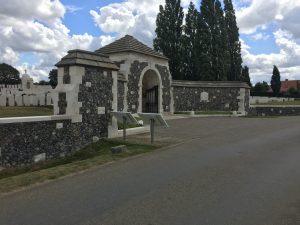
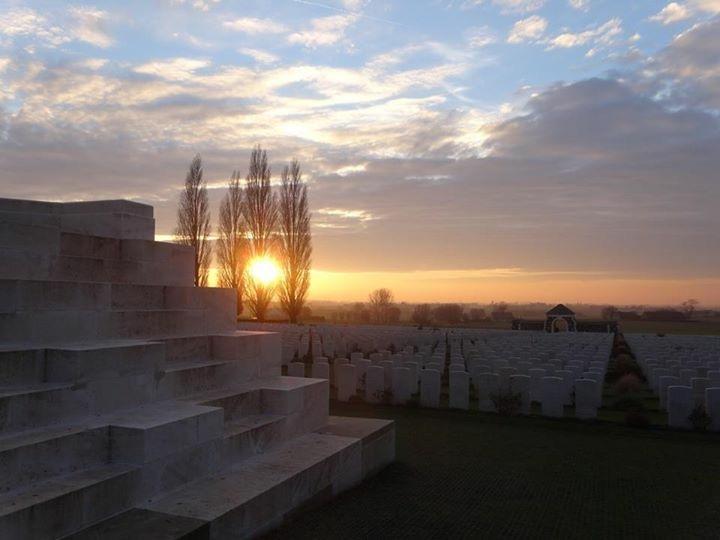
Lieutenant Rupert Hardy Parker, 2nd Battalion, The Lincolnshire Regiment, is remembered with honour on the Tyne Cot Memorial to the missing which is located 9 km north east of Ieper (Ypres), Belgium.
Panel Ref: 35 to 37 and 162 to 162A
Rupert is also commemorated on the Morton memorial and also on a family memorial plaque in St Wulfram’s Church, Grantham.
Private Ernest Henry Rudkin
Ernest Rudkin was born in 1891 in Morton near Bourne, Lincolnshire to Henry James Rudkin, a waggoner and his wife Mary Ann Wrighton. Ernest was the eldest of their 7 children, Bertie, Arthur, Edith, Florence, Albert and Cedric all being born as the family moved around the area as Henry found work as a Horseman and Waggoner on farms in Morton, Witham on the Hill, Corby Glen, Swinsted and eventually the family settled at Kirkby Underwood.
By 1911 Ernest was now working as a waggoner on a farm in Burton Coggles and was living with the Mason family. In 1914 Ernest married Sophia Osbourne and their son Jarvis was born in the spring of 1915.
Ernest along with his younger brother Bertie both undertook their duty to their country and sadly the family learned of the death of Bertie in September 1916. He had been serving with the 1st battalion Lincolnshire Regiment.
Ernest was now serving with the 2nd Battalion Royal Berkshire Regiment and in the early hours of 2nd December, 2 Km to the North of Passchendaele in Belgium, Private 37869 Ernest Henry Rudkin of 2nd Battalion Royal Berkshire Regiment was amongst the 35 Other Ranks killed in action.
The letter to his parents received in January 1918 from 2nd Lieut Durnford said he had died instantly as a result of Shell fire and buried soon after.The location was not recorded.He further stated that he had died in action gallantly doing his duty.A classic style of letter sent to many families at that time.Ernest was the eldest son of the family living in Kirkby Underwood at that time but they had already lost their 2nd Son Bertie some 15 months earlier.Ernest Henry also left a wife and a 3 year old infant boy. Ernest has no known grave but is remembered on the Tyne Cott Memorial, in Kirkby Underwood Church and on the family grave in Little Bytham Churchyard.
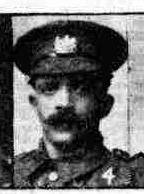
He is also remembered today by his family members who are determined to never forget what our Service Ancestors were asked to do so many years ago and how well they did it. Thanks to Peter Reichelt for information about Ernest.
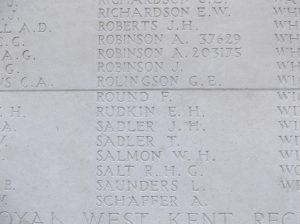
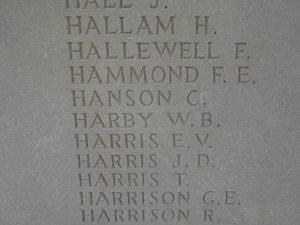
Private Walter Blankley Harby AKA Walter Scarborough
Walter Harby was born in 1897 in Wandsworth London to Charlotte Elizabeth Harby of Pickworth Lincolnshire. Charlotte later married Thomas Scarborough, a shepherd from Brauncewell near Sleaford in 1899 and moved to Dowsby. The family left Dowsby after the birth of son Harold and moved to Aslackby where son Joseph was born, the family eventually moving to Rippingale.
In December 1915 Walter attested to the Army Reserve and was later mobilised into 3rd battalion Lincolnshire Regiment in July 1916. After training he was posted to the 2nd Battalion prior to them embarking for France on the 18th November 1916.
Walter was killed in action and buried in the field on 2nd December 1917. We can only assume that the burial place was later destroyed by later fighting as Walter is now commemorated on the Tyne Cot memorial to the missing.

by James | Dec 2, 2017 | Remembrance
On 2nd December we remembered Rupert Hardy Parker, Gt Grandson of Lt Col William Parker of Hanthorpe House, who was killed in an action 100 years ago on this day in 1917.
Rupert was the only son of Charles John Ernest Parker a Gentleman of Beaconfield House, Harrowby, Grantham and his wife Louisa Dempsey. Rupert’s father was a former Captain in the 3rd battalion Lincolnshire regiment, His Grandfather was a former Lt Col of the South Lincs Militia, His Gt Grandfather Lt-Col, deputy Lord Lieutenant and High Sheriff of Lincolnshire.
By the time of the war the family home was Ludshott House, Grayshott, Hampshire.
Rupert was educated at Wellington College, Crowthorne, Berkshire and an undergraduate of Christ Church College, Oxford and was due to start before joining the army at the outbreak of war.
Rupert was accepted on probation as a second lieutenant in the 3rd Battalion Lincolnshire regiment on 21st October 1914. After training he was transferred to the 2nd Battalion Lincolnshire regiment arriving in France on the 20th February 1915.
Rupert finally completing his probation in March 1915 and was confirmed as a second lieutenant.
During 1915 Rupert was twice wounded at Neuve Chapelle and Fromelles.
Rupert obtained a regular commission in June 1916.
Rupert, now a Lieutenant in the 2nd Battalion, saw action as part of the Battle of Passchendaele. On the 16th August 1917 the 2nd Battalion, Lincolnshire Regiment were removed from the front line following heavy losses at the Battle of Langemarck only three hundred men remained.
September, October and half of November saw the battalion in trenches around Basseville and Warenton or in support or divisional reserve in the region.
Officially the battle of Passchendaele ended in November 1917 with the front returning back to its previous routine of trench life, patrols, shelling and sniping. Although one final mass action had already been planned and was still carried out.
On the 1st December C Company paraded at 3:15pm and set out for the trenches near Passchendaele. The only way to the front line was by a duck board track across deep clinging mud. The enemy guns had found their mark on the track and only about 20 men reached the front line to take up the two posts on the left battalion front. An hour later the remaining three companies, detailed as assault troops started moving up. It shows the terrible nature of moving up in the fact that it took the first company 5 hours to reach the front of the duck board track. The first company was in position by 10pm and the last company by 12:20am.
The three companies started to attack at 1:55am (2nd December 1917) and immediately were spotted by the enemy who set up heavy machine gun fire. Before their own outpost line was reached every officer of the three companies became a casualty. The advance stopped about 30 yards from the enemy’s front trench and the battalion dug in. They were relieved from this position by the 8th Rifle Brigade and moved back to Camp St. Jean.
In this attack casualties were heavy. Captain A Cowe (Medical officer), Lieutenant Rupert H Parker and 16 other ranks killed. 2nd lieutenants Griffin (Later died of wounds), Eliot, Sowerby, Joyce, Green, Graves, Grant and Perkins along with 64 other ranks wounded. 25 other ranks were missing.
Lieutenant Rupert Hardy Parker was killed whilst leading his company in this ill fated action on the 2nd December 1917, where the men were asked to attack on a moonlight night, in snow and towards an heavily defended position.
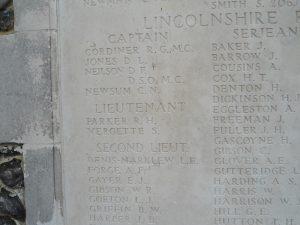
Lieutenant Rupert Hardy Parker, 2nd Battalion, The Lincolnshire Regiment, is remembered with honour on the Tyne Cot Memorial to the missing which is located 9 km north east of Ieper (Ypres), Belgium.
Panel Ref: 35 to 37 and 162 to 162A
Rupert is also commemorated on the Morton memorial and also on a family memorial plaque in St Wulfram’s Church, Grantham.
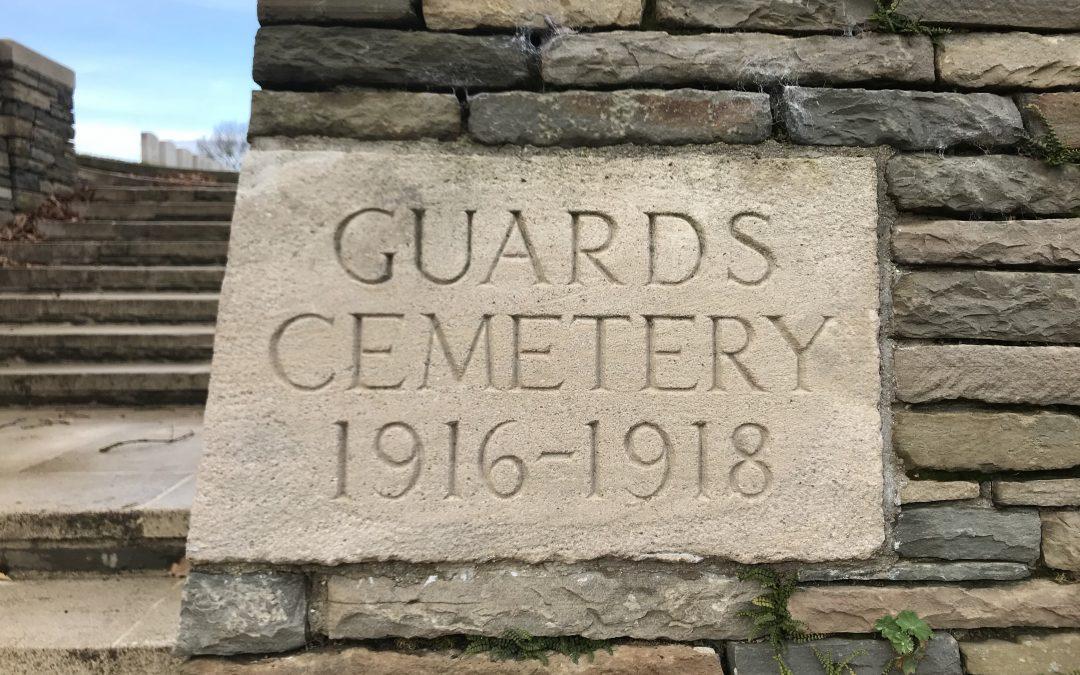
by James | Nov 26, 2017 | Memorial Visit
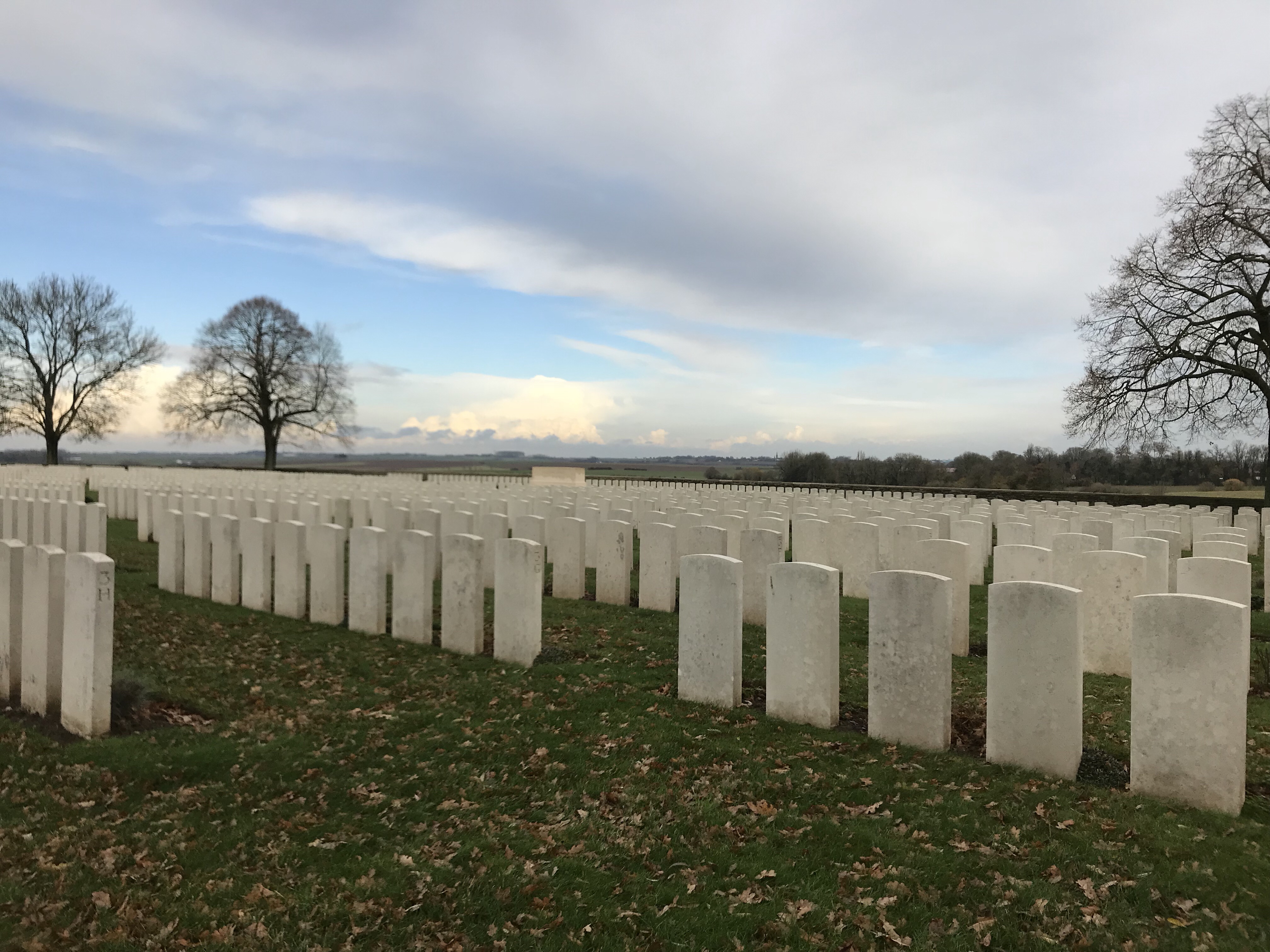
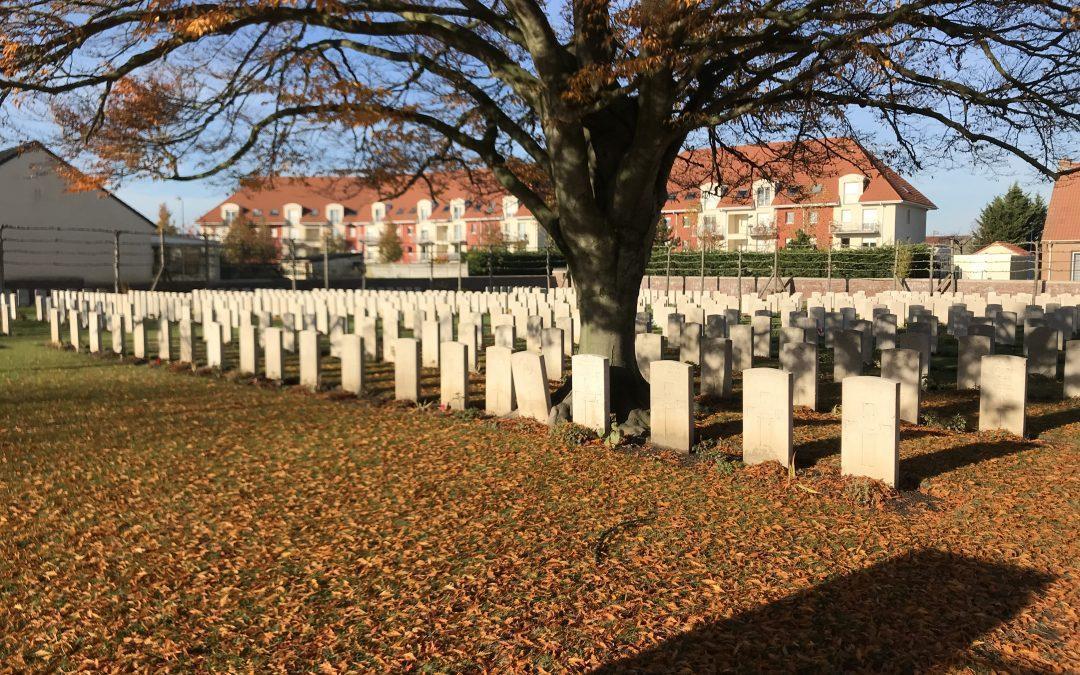
In November we managed a few cemetery visits. This weekend a visit to the Somme allowed us to visit a few of our men that we had not previously managed to visit and pay our respects.
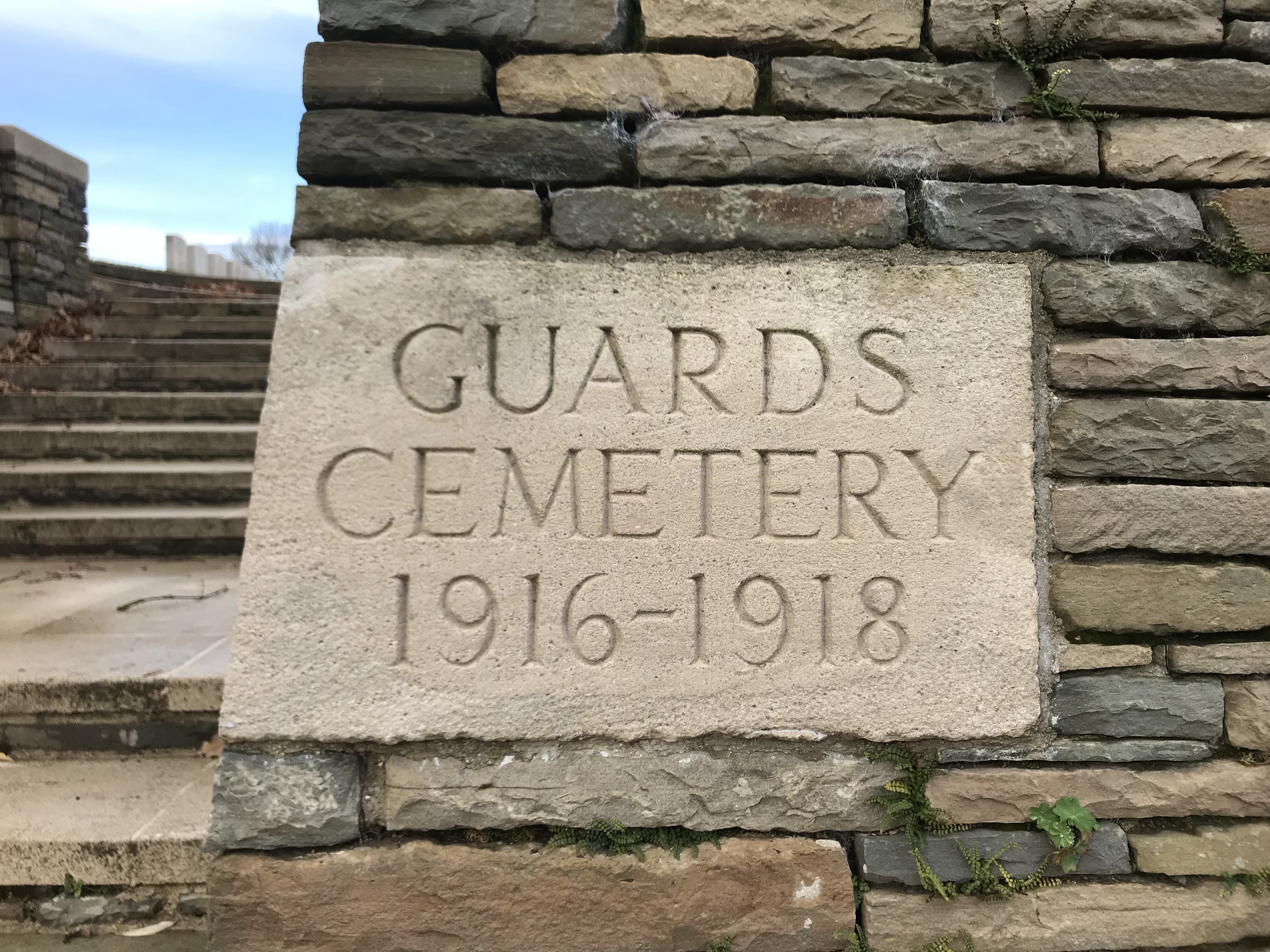
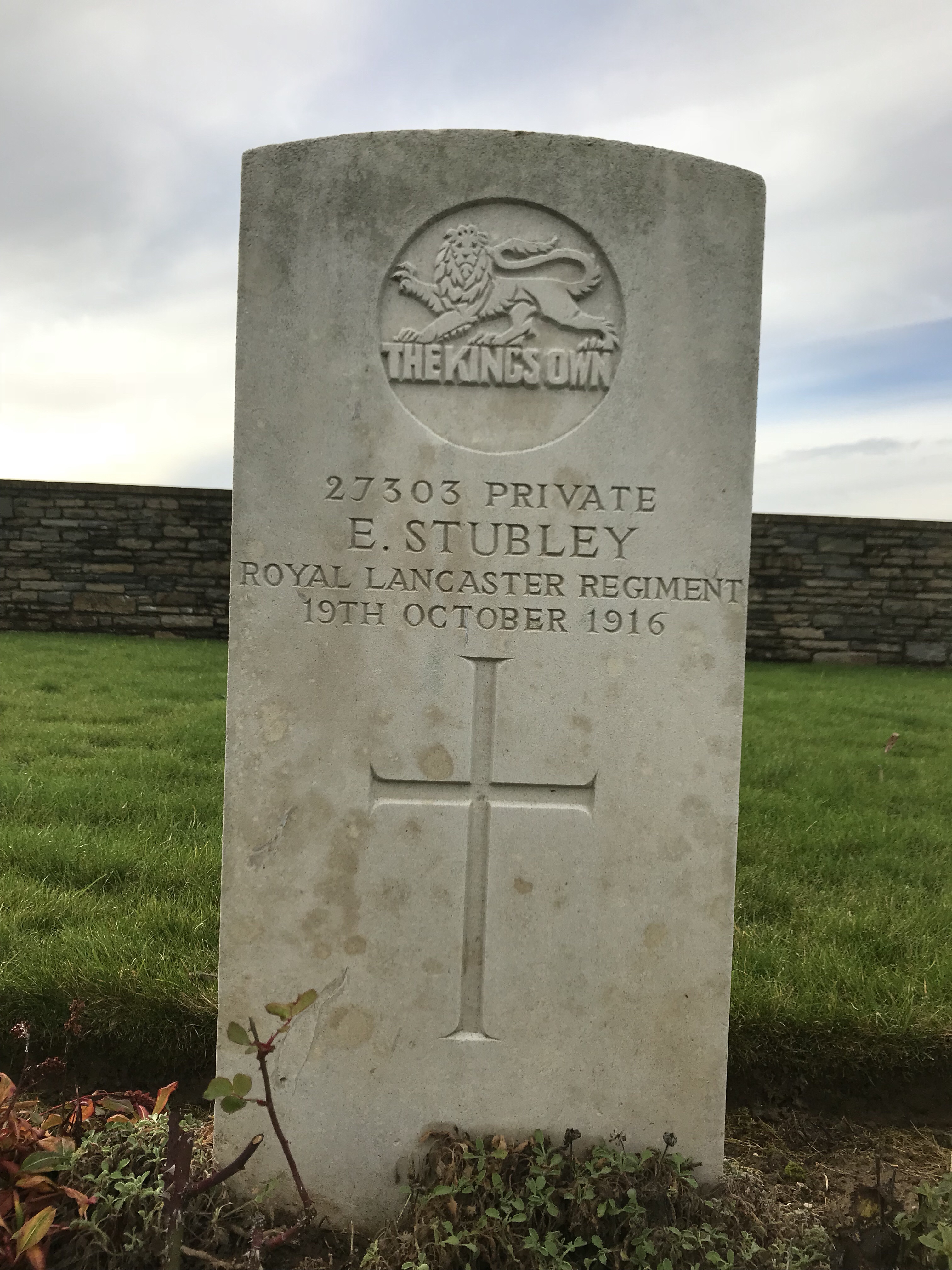
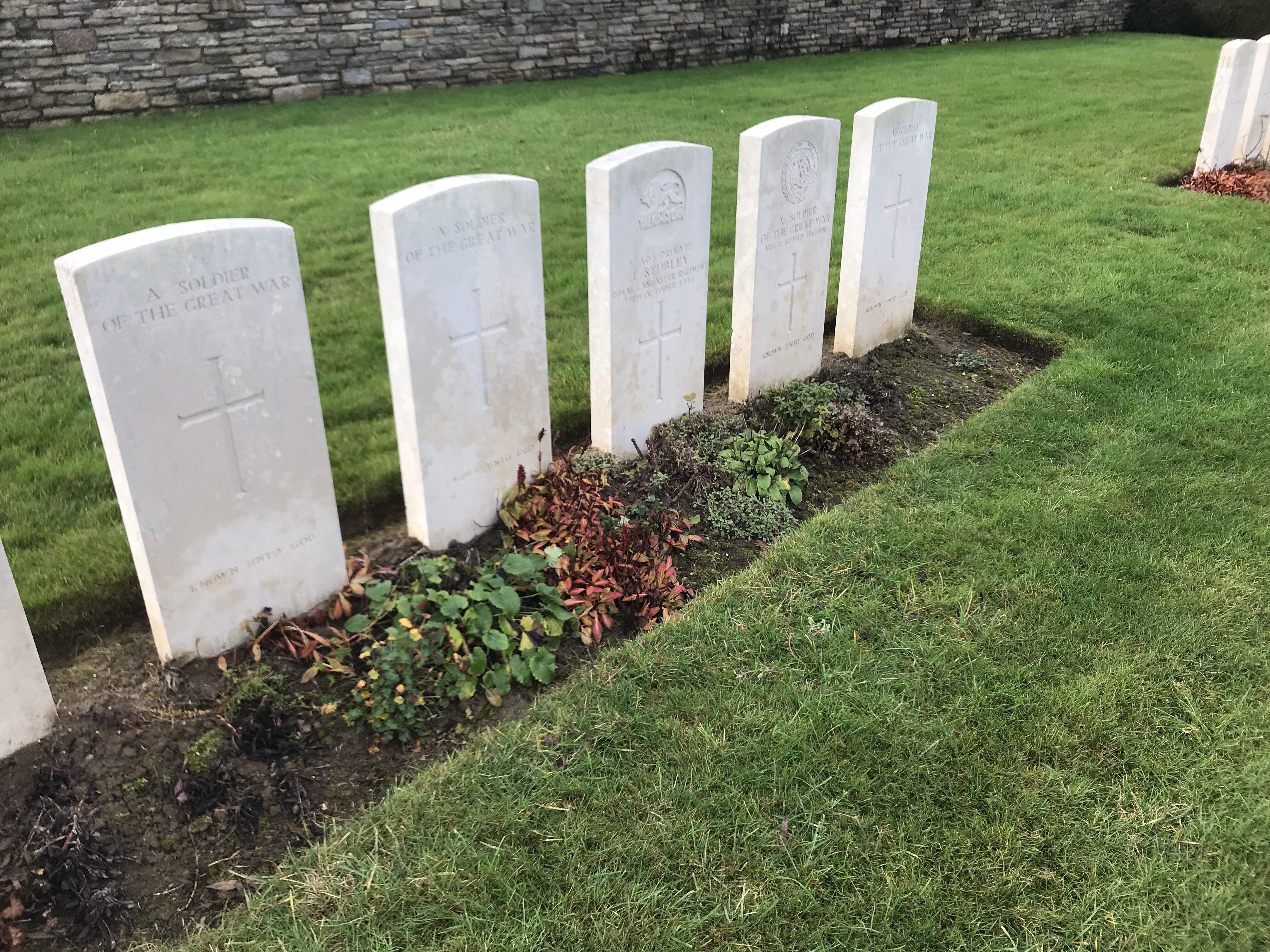
At Guards Cemetery we visited Bourne man Ernest Stubley of The Kings Own Royal Lancaster Regiment.
Ernest was the son of Francis and Elizabeth Stubley of Wood House, North Fen, Bourne and was killed in action on the 19th of October 1916 aged 26.
RIP
by James | Nov 19, 2017 | Memorial Visit
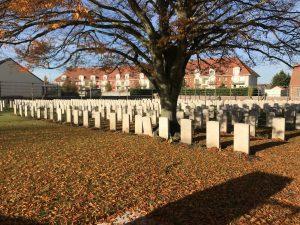
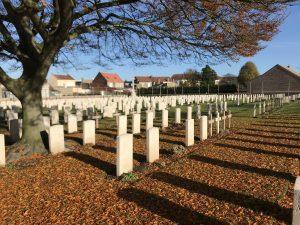
Maroc British Cemetery, Grenay
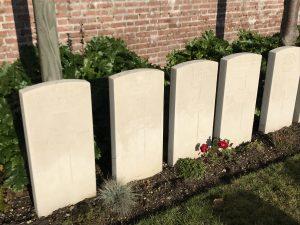
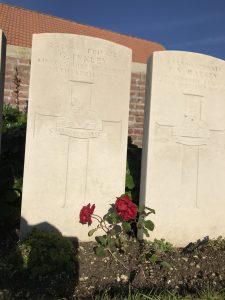
We found Four 5th Lincolnshire lads laying side by side in the November sunshine.
On the 25th April 1917 Victor Barsby of Bourne was killed. Only 5 days later on the 30th, George Inkly of Thurlby was killed along with George Freeman of Deeping st James and Sergeant David Kent born in Grimsby.
They lay together forever as comrades.
RIP
Percy Victor Barsby – Bourne – 25th April 1917 – 5th Bn Lincolnshire Regiment
George Inkley – Thurlby – 30th April 1915 – 5th Bn Lincolnshire Regiment

Recent Comments