
Biography of Private Thomas Fowler (15020)
6th Battalion Lincolnshire Regiment
Died 24th November 1915
Soldier
- Name: Thomas Fowler
- Date of birth: 1892
- Place of Birth: Morton, Lincolnshire, England
- Date of Birth Registration: July – September 1892
- Place of Birth Registration: Bourne, Lincolnshire, England
Father
- Name: Edward John Fowler
- DOB: 1859
- Place of Birth: Morton, Lincolnshire, England
- Occupation:Labourer on farm
Mother
- Name: Ann Booth
- DOB: 1861
- Place Of Birth: Haconby, Lincolnshire, England
- Marriage: 17th May 1881 Morton, Lincolnshire, England
Siblings: (Name), (DOB), (POB)
- Mary Ann Fowler, 1881, Morton
- Susan Fowler, 1882, Morton
- Sarah Elizabeth Fowler, 1884, Morton
- Jane Fowler, 1886, Morton
- Edward Fowler, 1888, Morton
- Beatrice Ellen Fowler, 1890, Morton
- Thomas Fowler, 1892, Morton
- Eliza Fowler, 1894, Morton
- Charles William Fowler, 1896, Morton
- Jim Fowler, 1898, Morton
- John George Fowler, 1899, Morton
- May Fowler, 1902, Morton
- Frederick Fowler, 1905, Morton
- Ida Fowler, 1907, Morton
Census
- 1901: Thomas is living with his parents in Morton, Lincolnshire.
- 1911: Thomas is living with his parents in Morton, Lincolnshire. The census gives him an age of 18 and he is listed as a labourer on farm.
Relatives in services
- None found
Marriage
- No marriage for Thomas has been found and because of his age we can assume that he never had the opportunity to marry.
Newspaper Mentions
- Grantham Journal – 23rd January 1915
For King and Country – On Friday week, five more Morton youths joined the Army – Herbert Edward Leverington, Thomas Fowler, William Hubbard, Joseph Taylor, Jack Taylor. Six presented themselves but unfortunately, Foster Handford was rejected owing to a very slight foot trouble. This was a great disappointment to Foster who already has two brothers in Kitchener’s Army. Morton people might well be proud of these young men who have so nobly answered to the call of duty. We also understand that Mr. George Parker, youngest grandson of Mrs. Parker, who lately resided at Hanthorpe House, has joined the Public School Corps and will leave shortly for the front.
- Grantham Journal 11th December 1915
Sad news has been received at Morton within the past few days that two of her gallant youths have laid down their lives for their country. In a previous issue, we reported that a letter had been received from Pte C Ashton, who is in France, to the effect that he was afraid that his brother Arthur had been shot by a German sniper. Upon inquiry at the War Office, the news has been officially proved to be only too true. The Parents of Thomas Fowler received a communication last week stating that their son was killed by a gunshot wound in the shoulder. He was drafted with a Mediterranean Force and death took place at Sulva on the Gallipoli Peninsula. Real heart-felt sympathy is felt for the bereaved families. Our toll of the war is now seven and we share the unenviable distinction of figuring most conspicuously in the casualty lists which concern the villages in the Bourne district. On Sunday evening last, the Parish Church was packed with parishioners who came to pay their last tributes to the three brave lads – Arthur Ashton, Thomas Fowler, Joseph Taylor (who was recently killed by a trench mortar in France). The Vicar, the Rev J.H. Boldero, read the burial service only omitting the committal portion. The lesson for the day was singularly appropriate vis., St John xiv. “Let not your heart be troubled, ”which was read by the schoolmaster, Mr. J.W. Palmer. In the course of the sermon, the vicar made a touching reference to the three lads, mentioning that they were all members of the church, and had all been in the church choir, and how, when far away, their last thoughts had been of home and the old church. The rev. gentleman spoke words of great comfort to the bereaved. The sadness was on all; the congregation mourned with the parents of the dead soldiers. At the close of the service, the National Anthem was sung, and the “Dead March” in “Saul” was played by the organist (Miss Betson). It was a beautiful service, and one that will long be remembered and the vicar’s words were most uplifting.
- Grantham Journal Saturday 11th December 1915
ACKNOWLEDGMENT
Mr. and Mrs. E. J. Fowler, of Morton, wish to thank all kind friends for their many expressions of sympathy in their trouble, owing to the death in action of Private Thomas Fowler
- The Standard Saturday 11th December 1915
MEDITERRANEAN FORCE
Reported under various dates:-
Died of Wounds
LINCOLN REGT. 6th BN. – Fowler, 15020 T.
Military Records
Attestation Papers
- None found
Soldier’s Died In The Great War
- These records show that Private Thomas Fowler, 15020, 6th Bn Lincolnshire Regiment was killed in action on 24th November 1915 in the Balkan Theatre.
Pension Records
- Available
Effects Left To
- Father Edward J
- Mother Ann
Medals
- The British Medal
- The Victory Medal
- The 15 Star
Memorials
- UK:
- Morton, Roll of Honour in St John the Baptist Church
- Bourne War Memorial in the Memorial Gardens
- Commonwealth War Graves Commission:
- In memory of Private Thomas Fowler, 15020, 6th Bn., Lincolnshire Regiment who died on 24 November 1915 Age 23
- Son of Edward John and Ann Fowler, of Frank’s Yard, Morton, Bourne, Lincs.
- Remembered with honour, Helles Memorial
- Panel 44 to 46.
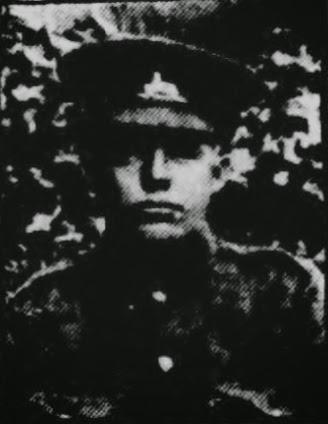
© BNA
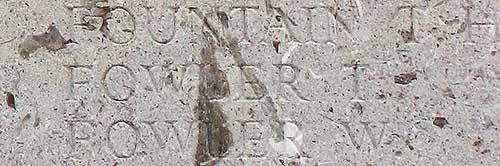
© The War Graves Photographic Project
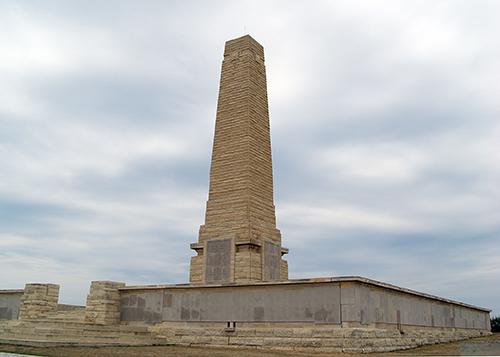
© The War Graves Photographic Project
Published Biography
-
Thomas was born in Morton in the summer of 1892 to Edward John Fowler (b. Morton 1859) a farm labourer and his wife Ann Booth (b. Haconby 1861).Thomas was their 6th child and eventually they would have 14 children in total although one had died before 1911, the last child Ida being born in 1907.Mary Ann Fowler, 1881, MortonSusan Fowler, 1882, MortonSarah Elizabeth Fowler, 1884, MortonJane Fowler, 1886, MortonEdward Fowler, 1888, MortonBeatrice Ellen Fowler, 1890, MortonThomas Fowler, 1892, MortonEliza Fowler, 1894, MortonCharles William Fowler, 1896, MortonJim Fowler, 1898, MortonJohn George Fowler, 1899, MortonMay Fowler, 1902, MortonFrederick Fowler, 1905, MortonIda Fowler, 1907, MortonIn 1911 Thomas was living with his parents, in a home with 7 children and one grandchild. Thomas at this time was working as a farm labourer, the same occupation as his father and some of his brothers.By 1915 many Morton lad had joined the army and Thomas along with another 6 lads all left on Friday 15th January for their respective postings, Thomas’ being with the 6th Battalion Lincolnshire regiment.Grantham Journal – 23rd January 1915For King and Country – On Friday week, five more Morton youths joined the Army – Herbert Edward Leverington, Thomas Fowler, William Hubbard, Joseph Taylor, Jack Taylor. Six presented themselves but unfortunately, Foster Handford was rejected owing to a very slight foot trouble. This was a great disappointment to Foster who already has two brothers in Kitchener’s Army. Morton people might well be proud of these young men who have so nobly answered to the call of duty. We also understand that Mr. George Parker, youngest grandson of Mrs. Parker, who lately resided at Hanthorpe House, has joined the Public School Corps and will leave shortly for the front.After his training, Thomas arrived in Gallipoli on the 22nd September 1915 as part of a reinforcement of men to replace those that the 6th Battalion Lincolnshire Regiment had lost at Sulva Bay and attempts to push forward following the initial battles in August.The war for the 6th Lincolnshires became one of trenches, sniping, bombing and patrols, although the biggest threat to their existence was dysentery due to the conditions and lack of fresh water.Thomas Fowler died on the 24th November 1915, his parents receiving a letter stating that he was killed by a gunshot wound to the shoulder.Grantham Journal 11th December 1915Sad news has been received at Morton within the past few days that two of her gallant youths have laid down their lives for their country. In a previous issue, we reported that a letter had been received from Pte C Ashton, who is in France, to the effect that he was afraid that his brother Arthur had been shot by a German sniper. Upon inquiry at the War Office, the news has been officially proved to be only too true. The Parents of Thomas Fowler received a communication last week stating that their son was killed by a gunshot wound in the shoulder. He was drafted with a Mediterranean Force and death took place at Sulva on the Gallipoli Peninsula. Real heart-felt sympathy is felt for the bereaved families. Our toll of the war is now seven and we share the unenviable distinction of figuring most conspicuously in the casualty lists which concern the villages in the Bourne district. On Sunday evening last, the Parish Church was packed with parishioners who came to pay their last tributes to the three brave lads – Arthur Ashton, Thomas Fowler, Joseph Taylor (who was recently killed by a trench mortar in France). The Vicar, the Rev J.H. Boldero, read the burial service only omitting the committal portion. The lesson for the day was singularly appropriate vis., St John xiv. “Let not your heart be troubled, ”which was read by the schoolmaster, Mr. J.W. Palmer. In the course of the sermon, the vicar made a touching reference to the three lads, mentioning that they were all members of the church, and had all been in the church choir, and how, when far away, their last thoughts had been of home and the old church. The rev. gentleman spoke words of great comfort to the bereaved. The sadness was on all; the congregation mourned with the parents of the dead soldiers. At the close of the service, the National Anthem was sung, and the “Dead March” in “Saul” was played by the organist (Miss Betson). It was a beautiful service, and one that will long be remembered and the vicar’s words were most uplifting.Grantham Journal Saturday 11th December 1915ACKNOWLEDGMENTMr. and Mrs. E. J. Fowler, of Morton, wish to thank all kind friends for their many expressions of sympathy in their trouble, owing to the death in action of Private Thomas FowlerCommonwealth War Graves Commission:In memory of Private Thomas Fowler, 15020, 6th Bn., Lincolnshire Regiment who died on 24 November 1915 Age 23. Son of Edward John and Ann Fowler, of Frank’s Yard, Morton, Bourne, Lincs. Remembered with honour, Helles Memorial. Panel 44 to 46.Thomas Fowler is remembered on the Morton War memorial in St John the Baptist Church and also on the expansion panel of the Bourne War memorial on the Memorial Gardens.We will remember them.
Sources
- WW1 Soldier’s Records (www.ancestry.co.uk)
- British Newspaper Archive.
- Fold 3
- Find My Past
- Genealogist
- Forces War Records
- British Army Service Numbers
- War Gratuity Calculator
- Commonwealth War Graves Commission
- National Archives – Battalion War Diaries
- General Registry Office